 Imcy
ImcyWhy Children Fight and How Parents Can Help Siblings Get Along
Why Children Fight and How Parents Can Help Siblings Get Along
Updated: June 2026.
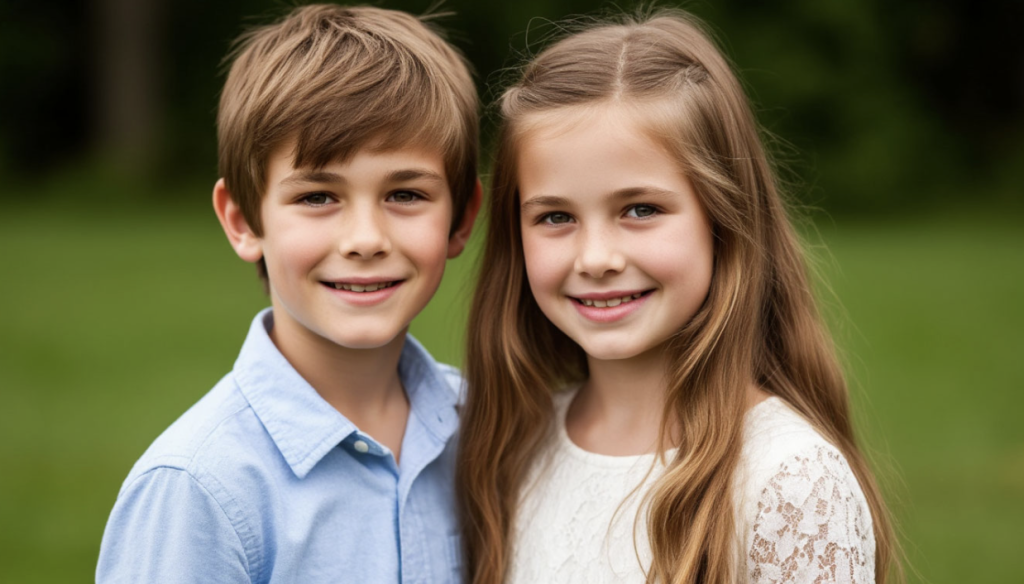
Every mom knows this scene: one minute the kids are happily playing together, and the very next they are screaming and fighting over something trivial. Why does this happen? And how can parents avoid becoming a permanent referee on the family playground?
Today we talk about how to help brothers and sisters learn to get along. You will learn about the causes of children’s conflicts, effective ways to resolve them, and when it is time to seek professional help.
What are sibling relationships and why do they matter
Siblings are brothers and sisters who grow up together.
These relationships are unique because they:
- form naturally;
- pass through every stage of growing up together;
- create a special emotional bond.
Sibling relationships are one of the most important bonds in a person’s life. From birth, brothers and sisters become more than just family members — they are true companions on the journey called childhood.
Why these relationships matter
Think for a moment: who better understands your childhood experiences than someone who grew up right beside you? Who will be there in a tough moment like someone who has known you since you were a baby?
That is exactly why sibling relationships are so valuable.
Impact on personal development:
- emotional development in young children happens through interaction with siblings;
- communication skills are built in daily contact;
- social abilities develop through time spent together.
Key areas of influence:
- Emotional sphere:
- ability to express feelings;
- capacity for empathy;
- skills for managing emotions.
- Social sphere:
- developing communication skills;
- forming ideas about cooperation;
- learning conflict resolution.
- Personal development:
- building self-esteem;
- developing a sense of responsibility;
- gaining experience caring for others.
Research shows that the quality of sibling relationships influences:
- academic success;
- social adjustment;
- psychological well-being;
- the ability to build relationships later in life.
Sibling relationships are a priceless gift parents can give their children.
Through interaction with brothers and sisters, children learn to:
- love and care for others;
- share and cooperate;
- forgive and understand;
- protect and support.
How your children’s relationship develops today will shape much of their future.
Invest time and attention in building healthy sibling bonds — it is one of the most important gifts you can give your children.
Causes of conflicts between siblings
Conflicts between brothers and sisters are an inevitable part of family life. Many parents worry when they see their children quarreling. However, it is important to understand that such situations are a normal part of the development of a sibling relationship.
Let’s figure out why conflicts arise and how to deal with them.
The main reasons for quarrels
Sibling conflicts arise for several key reasons:
- Fight for attention. Children compete for parental love, toys and gadgets;
- Age differences. Each child has his own interests and needs;
- Parental comparisons. Phrases like “why can’t you be like a sister?” only increases the tension.
Conflict Triggers
Provoking factors often include:
- Violation of personal boundaries (took a toy without asking);
- Teasing and name-calling;
- Feeling of injustice (“Why is he allowed, but I’m not?”).
Emotional reaction of children
Children experience a whole range of feelings:
- Anger and irritation;
- Resentment and tears;
- Jealousy and feelings of rejection.
Modern approaches to resolving conflicts between children
A systematic approach to resolving children’s conflicts is the key to harmonious relationships in the family.
Modern psychology offers effective methods based on the principles Cognitive Behavioral Coaching (CBT), which help parents teach their children to deal with disagreements constructively.
Development of emotional intelligence
Emotional literacy plays a critical role in conflict resolution.
Parents can help children develop:
- Self-knowledge – the ability to recognize and name your feelings;
- Self-control – ability to manage emotional reactions;
- Empathy – the skill of empathy and understanding the feelings of others.
Practical Conflict Resolution Tools
A constructive approach to dispute resolution includes several important components:
- Active listening – teaching children to carefully perceive the point of view of others;
- Negotiation skills — developing the ability to conduct dialogue and search for solutions;
- Compromise thinking — training in finding mutually beneficial solutions./
How it works in practice
Parents can use the following techniques:
- Help children express their feelings;
- Create a safe space to express emotions;
- Model constructive behavior in conflict situations;
- Encourage attempts to solve problems independently.
Every conflict is an opportunity for children to grow and develop. By properly guiding them through the dispute resolution process, parents help them develop valuable skills that will serve them well into adulthood.
Regular practice These methods help children:
- Better understand yourself and others;
- Resolve conflicts more effectively;
- Build healthy relationships with peers;
- Develop self-confidence.
What not to do
Common parenting mistakes can make the situation worse. It is important to know what actions to avoid.
Common mistakes parents:
- Demand from the elder unconditional submission;
- Ignoring conflicts with a phrase “figure it out for yourself”;
- Finding the culprit with a question “Who started it first?”;
- Insulting children in front of other family members.
5 parenting strategies that work
Practical advice will help parents effectively deal with conflicts between children.
Effective Strategies:
- One toy rule. If children argue over an item, it is temporarily removed;
- Common enemy. Shifting attention to a joint task (for example, cleaning);
- Time-out. Giving children time to calm down in separate rooms;
- Bridge phrase. Using phrases like: “I see you both are upset. Let’s find a solution”;
- Ritual of reconciliation. Introduction of traditions: hugs, “high five”, joint creativity.
Conflict Prevention
Avoiding conflict is the best strategy.
Simple rules will help create a harmonious atmosphere in the family.
Preventive measures:
- Spend at least 15 minutes a day with each child;
- Avoid comparisons in any form;
- Creating family traditions where everyone participates;
- Development of children’s emotional intelligence.
When you need professional help
Sometimes conflicts between siblings go beyond normal childhood rivalry and require professional help. It is important to notice warning signs in time.
Warning signs, requiring specialist attention:
- conflicts become frequent and characterized by increased aggression;
- children are not able to independently resolve disputes that arise;
- one of the children is constantly depressed;
- quarrels negatively affect academic performance and behavior;
- There is a change in the general emotional state of children.
A serious problem that parents should be aware of is sibling abuse.
This is a situation where one child systematically:
- exhibits physical or verbal aggression;
- uses manipulation and intimidation;
- violates the personal boundaries of another child;
- exerts psychological pressure on a brother or sister;
- creates an atmosphere of fear and tension in relationships.
A harmonious relationship between brothers and sisters is a skill that develops gradually.
At Animago we offer professional support to families, helping to create a healthy atmosphere of mutual understanding.
Our CBT coachs and coaches:
- identify the underlying causes of conflicts;
- teach effective conflict resolution strategies;
- will help develop constructive communication skills.
We understand how important it is to maintain harmony in the family and help every child feel loved and protected.
On consultations our specialists:
- will study your situation in detail;
- will answer all questions;
- will offer an individual action plan;
- will help you find a way out of even the most difficult situations.
Taking care of your children’s psychological health is an investment in their happy future.
Frequently asked questions (FAQ)
What to do if children refuse to share toys on principle?
Reluctance to share is a normal part of child development. Every child has the right to personal boundaries.
Instead of forcing them to share, teach your children:
- exchange toys for a certain time;
- play together with the same thing;
- find alternative activities when the toy is occupied.
Is it normal for an older child to constantly watch over a younger one?
Excessive guardianship of the elder over the younger may be a sign of:
- incorrectly distributed parental expectations;
- lack of attention to the older child;
- the younger one’s lack of confidence in his abilities.
Recommendations:
- give each child personal space and time;
- assign independent tasks to your junior;
- Praise your elder for his help, but don’t make it obligatory.
What to do if children are friends only separately, but not together?
Children have different interests – it’s normal. Important:
- do not force spending time together;
- create common family traditions;
- support everyone’s individual hobbies;
- organize joint activities where everyone can express themselves.
Try Animago
Animago is an online team of highly qualified child coaches who lead sessions with children and support parents using evidence-based methods. For children ages 3–7, Animago coaches meet as animated characters over live video.
We help with common childhood challenges—fears, anxiety, low confidence, shyness, and more—and support healthier parent-child relationships. The Animago team has already helped more than 2,500 children build resilience!
Want to try it?

See also
Не удалось встроить форму оплаты. Откройте оплату в новом окне:
Перейти к оплатеМы используем файлы cookies для улучшения работы сайта и анализа трафика. Продолжая использовать сайт, вы соглашаетесь с нашей политикой конфиденциальности.