 Imcy
ImcyElevated Anxiety in Children: Causes, Symptoms, and Ways to Help
Elevated Anxiety in Children: Causes, Symptoms, and Ways to Help
Updated: May 2026.
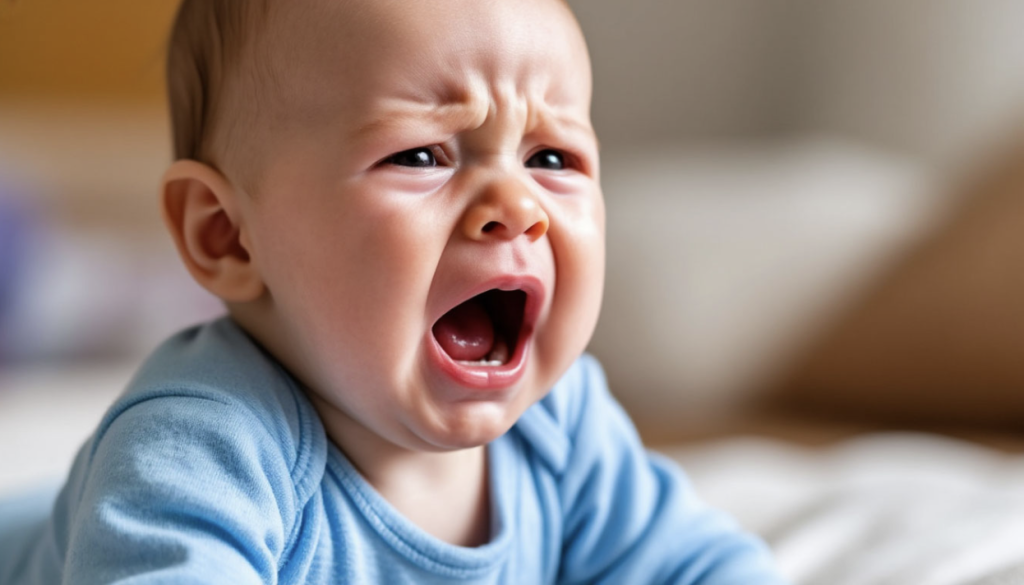
In the modern world, anxiety in children is becoming an increasingly common problem.
It is important to understand the difference between anxiety and fear: if fear is a reaction to a specific threat, then anxiety is a general state of anxiety that can occur for no apparent reason.
Anxiety in a child manifests itself in a constant feeling of tension, uncertainty and fear of the future.
According to the latest data, the number of calls to specialists regarding increased anxiety in children has grown by 40% over the past five years. This is due to many factors: information overload, increased demands for academic performance, and instability of the surrounding world.
Symptoms of Anxiety can manifest themselves on both a physical and emotional level. The child may experience headaches, sleep problems, and difficulty concentrating.
Causes of childhood anxiety often lie in family relationships, school problems or the personality characteristics of the child.
In this article we will analyze the main causes of anxiety in children, learn to recognize its signs and consider effective methods of help based on modern approaches of cognitive behavioral coaching.
Signs and characteristics of anxious children: what to look for
Somatic (bodily) signals
Anxious children often show physical manifestations of their internal anxiety. It is important not to attribute these symptoms to ordinary ailments:
- Sleep and appetite disorders:
- difficulty falling asleep;
- restless sleep with frequent awakenings;
- decreased or increased appetite.
- Psychosomatic reactions:
- headaches before important events;
- abdominal pain for no obvious reason;
- rapid heartbeat.
- Muscle tension:
- tightness in the shoulders and neck;
- fussiness of movements;
- increased fatigue.
Behavioral markers
How to recognize an anxious child by his behavior:
- Avoidance behavior:
- refusal of new activities and activities;
- reluctance to participate in group games;
- the desire to stay in the comfort zone.
- Signs of perfectionism:
- fear of making a mistake;
- excessive worry about results;
- the desire to perform tasks perfectly.
- Rituals and checks:
- need for constant reassurance;
- multiple checks of completed tasks;
- the need for a certain course of action.
All of these symptoms are often disguised as normal “bad behavior” or “laziness.” A child may seem capricious or stubborn, but in reality behind this lies inner anxiety and fear.
Symptoms of anxiety in children can manifest themselves in different ways, and the presence of even a few signs should be a reason for closer observation for the child’s condition.
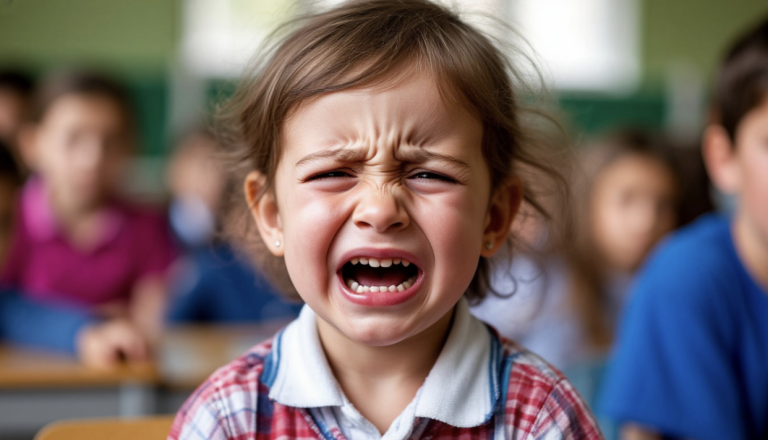
Features of anxiety in children of primary school age and at 8 years old
Anxiety in children of primary school age becomes especially noticeable during the adaptation period to new conditions.
This stage is characterized significant changes in a child’s life: he is faced with new requirements, a rating system and the need to build relationships in a team.
School environment factors
At primary school age, especially at 8 years old, the child experiences an important period of transformation. A change in social role, the emergence of assessments and demands for independence create the ground for the development of anxiety states.
The main factors influencing the level of anxiety:
- Learning environment:
- fear of not meeting the teacher’s expectations;
- fear of getting a bad grade;
- lack of self-confidence.
- Social interaction:
- anxiety in communicating with peers;
- fear of conflicts;
- Difficulties in building friendships.
- Emotional state:
- increased sensitivity to criticism;
- fear of public speaking;
- anxiety before tests.
An 8-year-old child shows anxiety through various behavioral reactions. At this age it is especially important to pay attention to:
- changes in behavior;
- attitude towards school activities;
- interaction with classmates.
Age-related characteristics of anxiety are closely related to academic performance. Moderate anxiety can stimulate educational activity, but its increased level leads to:
- decreased concentration;
- memory impairment;
- problems with learning the material;
- emotional burnout.
Timely support and understanding from adults helps the child cope with anxiety and successfully adapt to school life.
“At the age of 6–8 years it occurs active maturation of the prefrontal cortex – an area of the brain responsible for voluntary attention, planning, impulse control and behavior regulation. It is this maturation that underlies “school readiness”: the child begins to be able to sit at a task, wait his turn, and retain instructions in memory. Simultaneously continues myelination – the process of formation of the myelin sheath around nerve fibers, accelerating the transmission of nerve impulses. By the age of 7, the myelination of the anterior frontal tracts (connecting the frontal cortex with the rest of the brain) is still far from complete – this explains why even a seven-year-old “ready” for school quickly gets tired of mental work and loses concentration.”
Advice from a coach: how to cope with increased anxiety in teenagers
Adolescence is a period when increased anxiety in adolescents is especially acute.
Against the background of hormonal changes and changes in the body, new factors: social pressure, preparation for exams, the need to choose a future profession.
Unlike childhood anxiety, adolescence may manifest itself through:
- isolation and detachment;
- aggressive behavior;
- mood swings;
- tendency to self-criticism;
- in extreme cases, self-harming behavior.
Strategies for trusting communication
Coachs recommend starting with establishing contact.
Active listening without ratings or criticism:
- take time to talk;
- do not interrupt when a teenager shares his experiences;
- show interest in his problems.
Constructive dialogue through “I-messages”:
- talk about your feelings;
- avoid blame;
- offer support.
Psychological assistance for teenagers must take into account their need for independence. Important:
- respect personal boundaries;
- provide space for self-expression;
- help develop self-regulation skills;
- teach stress reduction techniques.
A teenager may hide his true feelings. Be attentive to changes in behavior and mood, but do not impose your help. Create atmosphere of trust, where the child can talk openly about their fears and worries.
Increased anxiety in a child: an in-depth analysis of the problem
Increased anxiety in a child is a complex condition that requires serious attention and a professional approach.
It is important to understand that anxiety does not disappear with the command “calm down” and has deep rootsaffecting all areas of a child’s life.
Triggers of occurrence (Bio-Psycho-Social model)
Family factors play a key role in the formation of anxiety. Often a child seems to be “infected” with anxiety from his parents, unconsciously taking on their emotional state. Conflicting demands from different family members create additional tension: when some adults demand one thing, and others demand the opposite, the child finds himself in a situation of constant choice and fear of making mistakes.
Overprotection and emotional rejection – two extremes, equally dangerous for the child’s psyche. Excessive control deprives the child of the ability to cope with difficulties on his own, and lack of attention creates a feeling of uselessness and self-doubt. Permanent family conflicts and an unstable emotional atmosphere at home also significantly increase anxiety levels.
Biological features The body is largely determined by the tendency to anxious reactions. The innate characteristics of temperament and the characteristics of the nervous system create a certain foundation on which the emotional state of the child is built. Genetic predisposition anxiety may take several generations to manifest.
Physical health status directly affects the level of anxiety. Frequent illnesses and chronic diseases deplete the child’s nervous system, making him more vulnerable to stress factors. Hormonal changes, especially during adolescence, can increase anxiety symptoms.
Social environment The modern child is a complex set of factors. Information overload from the media and the Internet, and excessive time spent in the digital space create additional tension. School stress – high demands, bullying, difficult relationships with teachers – become a serious test for the child’s psyche.
Possible consequences of ignoring
Consequences of anxiety may be serious:
- psychosomatic diseases;
- development of school neurosis;
- formation of persistent phobias;
- problems with socialization;
- decline in academic performance.
The causes of increased anxiety often lie in a complex of interacting factors.
According to research, in 2024-2025 there will be a significant increase in anxiety disorders in children associated with an increase in time spent in the digital environment.
It’s important to remember that early diagnosis and professional help significantly increase the chances of successfully overcoming anxiety states and preventing their chronicity.
How to help a child and teenager cope with anxiety: effective methods
How to relieve anxiety in a child is a task that requires an integrated approach. Important combine techniques quick response with long-term work on the emotional state.

Ambulance technicians (here and now)
Breathing in a square – a simple and effective way to reduce anxiety:
- Inhale for 4 counts;
- Hold your breath for 4 counts;
- Exhale for 4 counts;
- Hold your breath for 4 counts.
Repeat the cycle 4-5 times.
Grounding Technique (5-4-3-2-1) helps to shift attention:
- Find the 5 objects you see;
- Identify 4 sounds around;
- Mark 3 tangible items;
- Find 2 smells;
- Identify 1 taste.
Systematic work (long-term)
Daily routine and digital detox play a key role:
- Normalization of sleep (8–10 hours for children);
- Limiting time with gadgets;
- Regular physical activity;
- Proper nutrition.
Art coaching and games Helps express anxiety in a safe way:
- Drawing fears;
- Modeling from plasticine;
- Creating stories;
- Role-playing games.
Diary of Emotions — an effective tool for children from 8 years old and teenagers:
- Recording alarming situations;
- Analysis of emotions;
- Finding solutions;
- Track progress.
Methods for dealing with anxiety in children also include:
- Regular walks in the fresh air;
- Family rituals;
- Joint activities;
- Encouraging independence.
There should be help for anxiety consistent and constant. Important:
- Be patient;
- Praise for small successes;
- Create a safe atmosphere;
- Do not discount your child’s feelings.
An integrated approach, combining rapid response techniques and long-term work, gives the best results in the fight against childhood anxiety.
What NOT to do: parental mistakes
Common mistakes in working with childhood anxiety:
- Devaluation of feelings: phrases like “This is nonsense, don’t be afraid” or “Don’t be a coward” only increase the child’s anxiety. It is important to acknowledge his emotions and experiences.
- Creating greenhouse conditions: Avoiding frightening situations with your child may temporarily alleviate his condition, but in the long term it only perpetuates the fear.
- Excessive parental anxiety: When adults themselves panic or show excessive concern, this increases the child’s anxiety.
- Pressure and requirements: phrases “You have to cope” or “All children can do it, but what about you?” create additional stress.
- Ignoring the problem: hope that “it will go away on its own”, can lead to aggravation of the situation.
- Comparison with others: phrases “But Petya is not afraid” or “Look at how others are doing well.” reduce the child’s self-esteem.
Remember: the right support and a competent approach will help your child learn to cope with anxiety, rather than avoid it.
When self-help is not enough: turning to a specialist
Sometimes a child or teenager’s anxiety reaches such a level that it requires professional help.
It is important not to put off visiting your doctor if you experience worrying symptoms that interfere with your daily life, school, or relationships with others.
Red flags for visiting the doctor
It is worth contacting a psychiatrist or psychocoach, if a child or adolescent has:
- Panic attacks – sudden attacks of fear or anxiety, accompanied by physical symptoms: rapid heartbeat, sweating, trembling, feeling of lack of air.
- Refusal to eat or sudden change in appetite – for example, if the child stops eating at the common table, eats at night, takes laxatives or induces vomiting.
- Suicidal thoughts or attempts – conversations about death, self-harm, plans for suicide.
- Hallucinations or delusions – seeing objects that don’t exist, voices that no one else can hear, or beliefs that don’t correspond to reality.
- Aggressive behavior that threatens the safety of others – frequent outbursts of anger, violence towards people or animals.
- Social isolation or apathy – complete loss of interest in previously favorite activities, avoidance of communication, prolonged loneliness for no apparent reason.
- Sleep disorders that persist for a long time – difficulty falling asleep, frequent awakenings, nightmares, sleepwalking.
- Obsessive thoughts or actions – constant hand washing, checking locks, repeating certain rituals that interfere with normal life.
- Developmental delay – lag in speech, motor skills, cognitive skills compared to peers.
- Problems with adaptation – difficulties when moving to a new class, kindergarten, after moving or traumatic events (death of a loved one, parental divorce, bullying).
There is also a reason to contact a specialist if:
- anxiety persists for more than 1–2 months and does not decrease or even intensifies;
- the child avoids school, social situations or usual activities;
- physical symptoms (abdominal pain, headaches) are not explained by medical reasons;
- there is a sudden change in behavior after stress or trauma.
Don’t be afraid to turn to specialists – modern psychiatry is focused on safety and effectiveness of treatment. Many problems can be solved without drugs, with the help of psychocoaching. Early diagnosis and assistance increase the chances of successful correction of the condition.
If you notice several of the following symptoms in your child, it is recommended start with consulting a coach or a psychocoach. If necessary, they will refer you to a psychiatrist.
To assess the child’s psychological state, you can go through Check-up in “Animago”. This is 30 minutes of work with a coach and 30 minutes of consultation for a parent. As a result, you will receive recommendations on how to help your child if necessary.
Frequently asked questions (FAQ)
Can anxiety go away on its own with age?
No, most often, without support, anxiety does not disappear, but only changes form or intensifies over time.
According to the WHO, between 60% and 80% of adults with anxiety disorders first experienced them in childhood. If you do not provide support to your child, there is a risk that anxiety will develop into adult forms of disorders, worsen social maladjustment, or lead to other problems. Early help increases the chances that a child will learn to independently regulate emotions.
How to distinguish ADHD from anxiety?
ADHD (attention deficit hyperactivity disorder) is a neurobiological disorder in which the functioning of the central nervous system is impaired. It manifests as difficulty concentrating, impulsivity, hyperactivity, and problems processing information. Symptoms usually begin in early childhood (before age 12) and persist over time, regardless of emotional state.
Anxiety is a psychological state with a feeling of fear, anxiety or anticipation of negative events. It can occur at any age, often under the influence of stress, traumatic experience or adverse conditions. Anxiety affects the ability to concentrate, but problems with attention in this case are associated with intrusive thoughts and hypervigilance, rather than with neurobiological deficits.
Key differences:
- Concentration. In ADHD, difficulties with concentration are constant and do not depend on the emotional state. With anxiety, problems with attention occur during periods of heightened anxiety and may subside when the person is calm.
- Impulsiveness. ADHD is characterized by impulsiveness – thoughtless actions, interruptions in conversation, uncontrolled movements. With anxiety, impulsivity is usually not observed.
- Perfectionism and avoidance. People with anxiety often avoid tasks due to fear of failure or perfectionism. In ADHD, problems completing tasks are related to attention deficits rather than a fear of error.
- Social anxiety. People with anxiety may avoid social situations due to fear of being judged. In ADHD, the ability to focus on the emotions of others is reduced, so social anxiety is less common.
- Age of manifestation. ADHD usually begins in childhood, but anxiety can develop at any age, including adulthood.
For an accurate diagnosis, you need to consult a specialist – a psychiatrist or coach.
Do soothing herbs and vitamins help?
The opinion of evidence-based medicine is ambiguous.
Herbal preparations (valerian, lemon balm, motherwort, etc.) can have a mild sedative effect for mild anxiety, especially in the short term. For example, research has shown that lemon balm can reduce anxiety and alleviate symptoms associated with it. However, their effectiveness for severe anxiety disorders is limited and they are not a substitute for professional help.
Important: any medications, including herbal ones, must be prescribed by a doctor. Self-medication can be dangerous.
Vitamins and minerals (for example, magnesium, vitamins D, C, group B) can support the body in stressful situations, since their deficiency sometimes aggravates anxiety. However, their role in the treatment of anxiety disorders is not decisive. Vitamins and minerals are often used as an addition to primary coaching, but not as a replacement.
Recommendations:
- Before taking any herbal or vitamin supplements, be sure to consult your doctor.
- If you have alarming symptoms, you should consult a specialist for diagnosis and development of a comprehensive treatment plan, which may include psychocoaching, drug coaching (if necessary) and lifestyle adjustments.
Try Animago
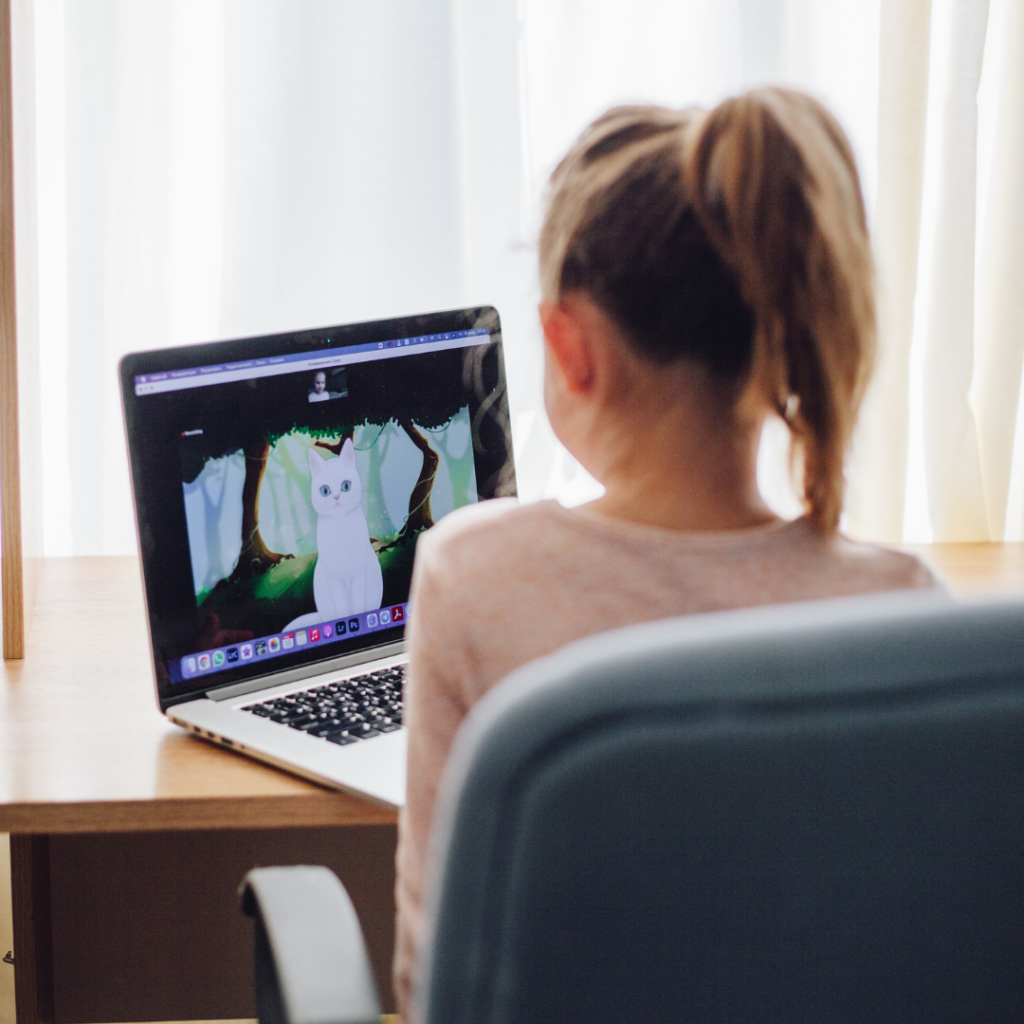
Animago is an online team of highly qualified coachs who work with children and coach parents using evidence-based methods. For children ages 3–7, Animago coachs meet as animated characters over live video.
We help with common childhood challenges — fears, anxiety, low confidence, shyness, and more — and support healthier parent-child relationships. The Animago team has already helped more than 2,500 children build resilience!
Want to try it?
See also
Не удалось встроить форму оплаты. Откройте оплату в новом окне:
Перейти к оплатеМы используем файлы cookies для улучшения работы сайта и анализа трафика. Продолжая использовать сайт, вы соглашаетесь с нашей политикой конфиденциальности.